Meet our team
We are FOXP1 parents with professional experience in healthcare and research. Our advisors are world renowned scientists, doctors, and pharmaceutical industry experts who will help take us from research to approved treatments for our children.
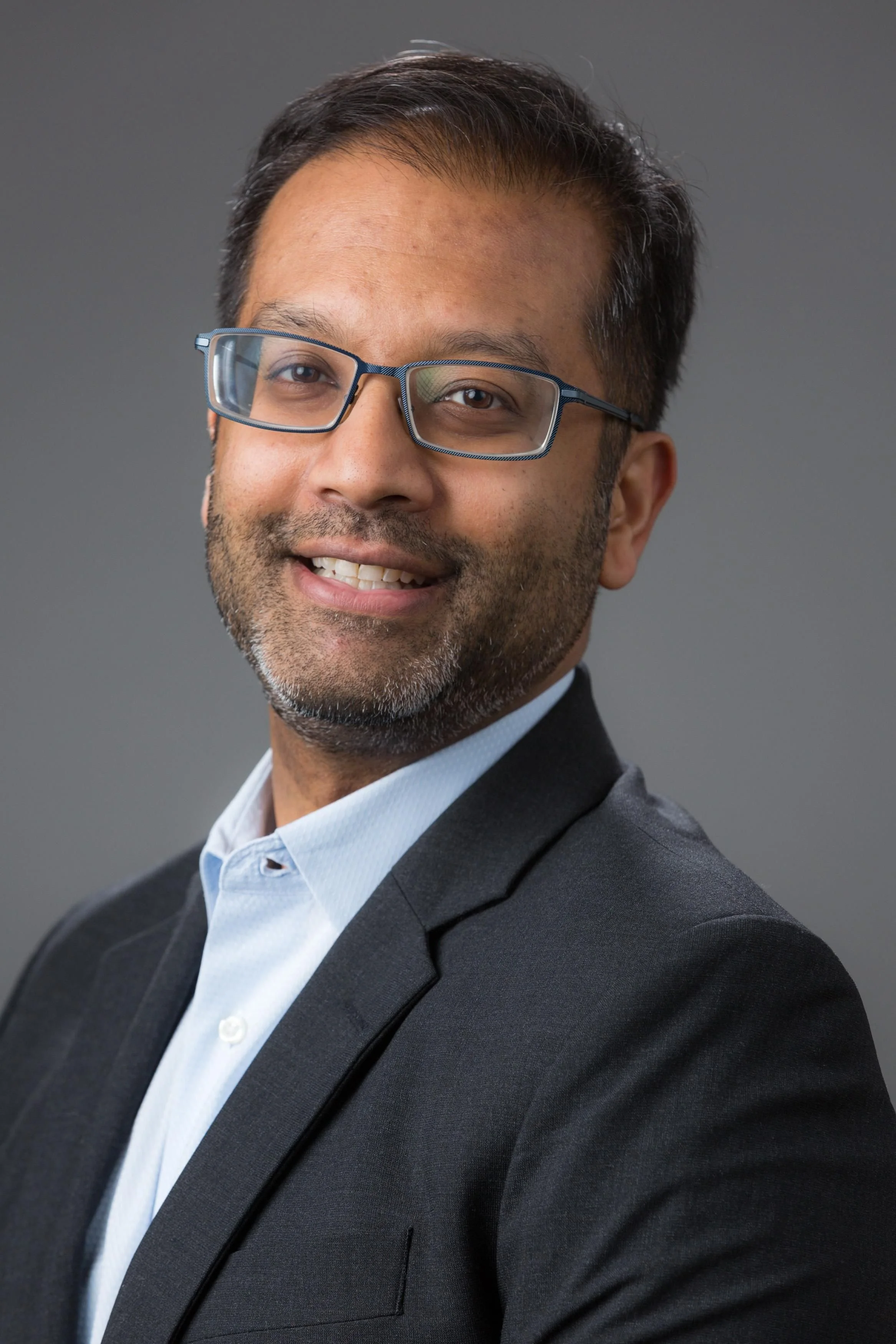
Samit Dasgupta, PhD
Co-Founder
Samit is a J.B. Duke Distinguished Professor of Mathematics at Duke University, specializing in algebraic number theory. He earned his AB from Harvard University and his PhD from the University of California, Berkeley. His research has been recognized with numerous honors, including a Sloan Fellowship, a Frontiers in Science Award, and the distinction of being an invited speaker at the 2022 International Congress of Mathematicians.
Samit and his wife Smriti live in Chapel Hill, NC, with their three children. In 2023, shortly after his first birthday, their son Ishaan was diagnosed with FOXP1 syndrome. Since then, Samit has worked closely with scientists to advance research on FOXP1, with a particular focus on accelerating the development of treatments. He is excited to build upon this work through the FOXP1 Medical Research Foundation.
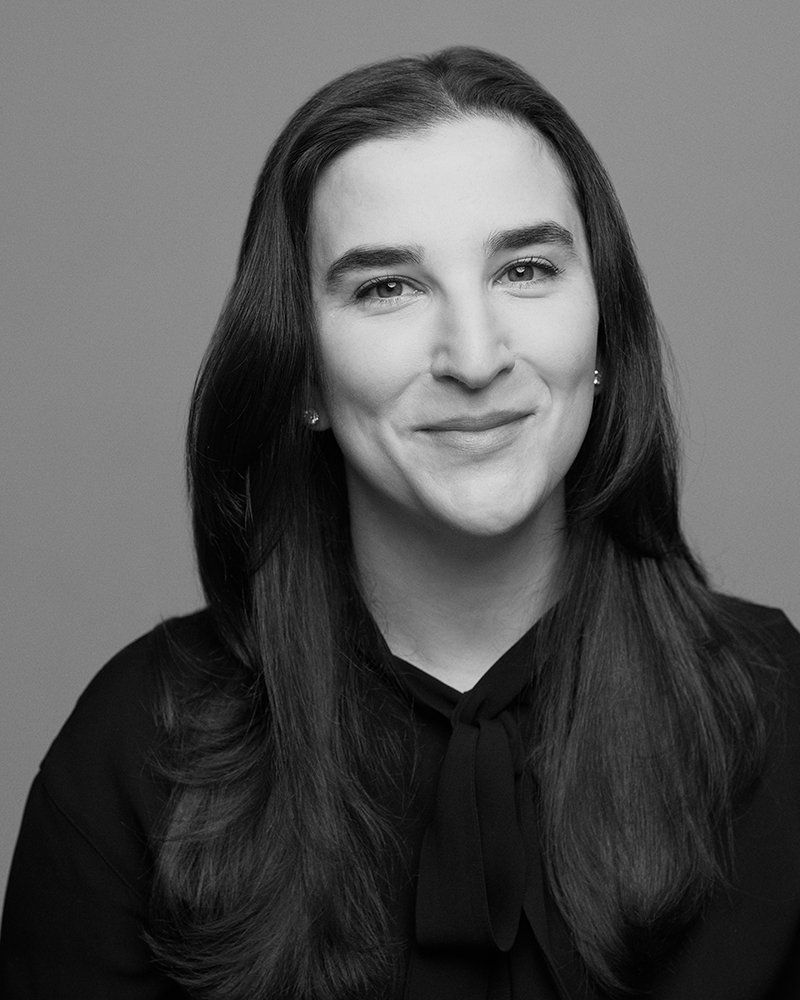
Mikhal Roman
Co-Founder
Mikhal is a healthcare executive and entrepreneur with more than a decade of leadership experience. She was the Co-founder and CEO of Flora, a company improving access to care for women with pelvic floor dysfunction. Previously, she served as Vice President and General Manager at Quartet Health, leading operations that generated half of the company’s revenue and scaling mental health programs across 30+ states. Earlier in her career, she advised clients in the biotech and pharmaceutical industries at L.E.K. Consulting and helped launch an enterprise-wide patient-facing program for Specialty Pharmaceuticals at CVS Caremark. Mikhal holds an MBA from Harvard Business School and a BA from Carleton College.
Mikhal lives in New York City with her husband, Alec, and their daughter, who was diagnosed with FOXP1 syndrome in 2024 at 10 months old. She is excited to leverage her professional experience to find treatments and cure for FOXP1 syndrome.
Advisors
Our advisors are world-renowned physicians, scientists, and drug development professionals who ensure we invest in the most impactful research for treatment development.
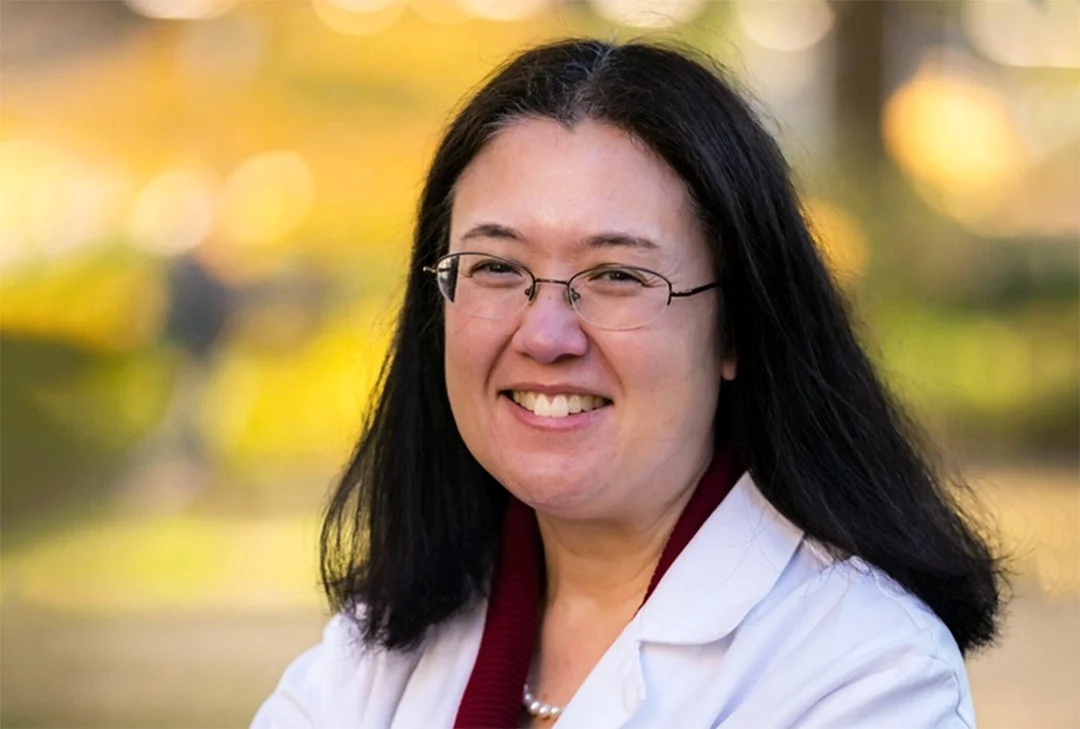
Wendy Chung, MD, PhD
Chief of Pediatrics at Boston Children’s Hospital / Harvard Medical School
-
Wendy Chung, MD, PhD is a clinical and molecular geneticist and the Chief of the Department of Pediatrics at Boston Children’s Hospital and Harvard Medical School. Dr. Chung directs NIH funded research programs in human genetics of pulmonary hypertension, breast cancer, obesity, diabetes, autism, birth defects including congenital diaphragmatic hernia and congenital heart disease.
Dr. Chung is a national leader in the ethical, legal, and social implications of genomics. She was the recipient of the Rare Impact Award from the National Organization of Rare Disorders, and is a member of the National Academy of Medicine and the American Academy of Physicians. Dr. Chung received her B.A. in biochemistry from Cornell University, her M.D. from Cornell University Medical College, and her Ph.D. in genetics from The Rockefeller University.

Simon Fisher, PhD
Director of the Max Planck Institute for Psycholinguistics and Professor of Language and Genetics at the Donders Institute for Brain, Cognition and Behaviour, in Nijmegen, the Netherlands
-
Simon E. Fisher is director of the Max Planck Institute for Psycholinguistics and Professor of Language and Genetics at the Donders Institute for Brain, Cognition and Behaviour, in Nijmegen, the Netherlands. Following his Natural Sciences degree (Cambridge University), and a doctorate in genetics (Oxford University), Simon carried out postdoctoral research at Oxford’s Wellcome Trust Centre for Human Genetics on genomics of developmental disorders of speech, language, and reading, including discovery of the FOXP2 gene. From 2002-2010, Simon was a Royal Society University Research Fellow and head of his own group at the Wellcome Trust Centre, investigating how language-related genes influence brain development. In 2010 he was appointed by the Max Planck Society to establish a new department at the Nijmegen MPI, devoted to tracing functional links between genetics and language. Simon’s research adopts a multidisciplinary viewpoint, integrating data from genomics, psychology, neuroscience, cellular/developmental biology and evolutionary anthropology.

Rachel Groth, PhD
Vice President of Translational Research at Neuren Pharmaceuticals
-
Rachel Groth is Vice President of Translational Research at Neuren Pharmaceuticals. She has more than a decade of experience leading drug discovery and early development efforts in industry across diverse therapeutic areas and drug modalities. Before joining Neuren Pharmaceuticals, Rachel held roles of increasing responsibility at Pfizer, Biogen, and BridgeBio. Rachel earned her B.A. in Biology and Neuroscience from Macalester College, her Ph.D. in Neuroscience from the University of Minnesota, and completed her postdoctoral training in Molecular and Cellular Physiology at Stanford University.
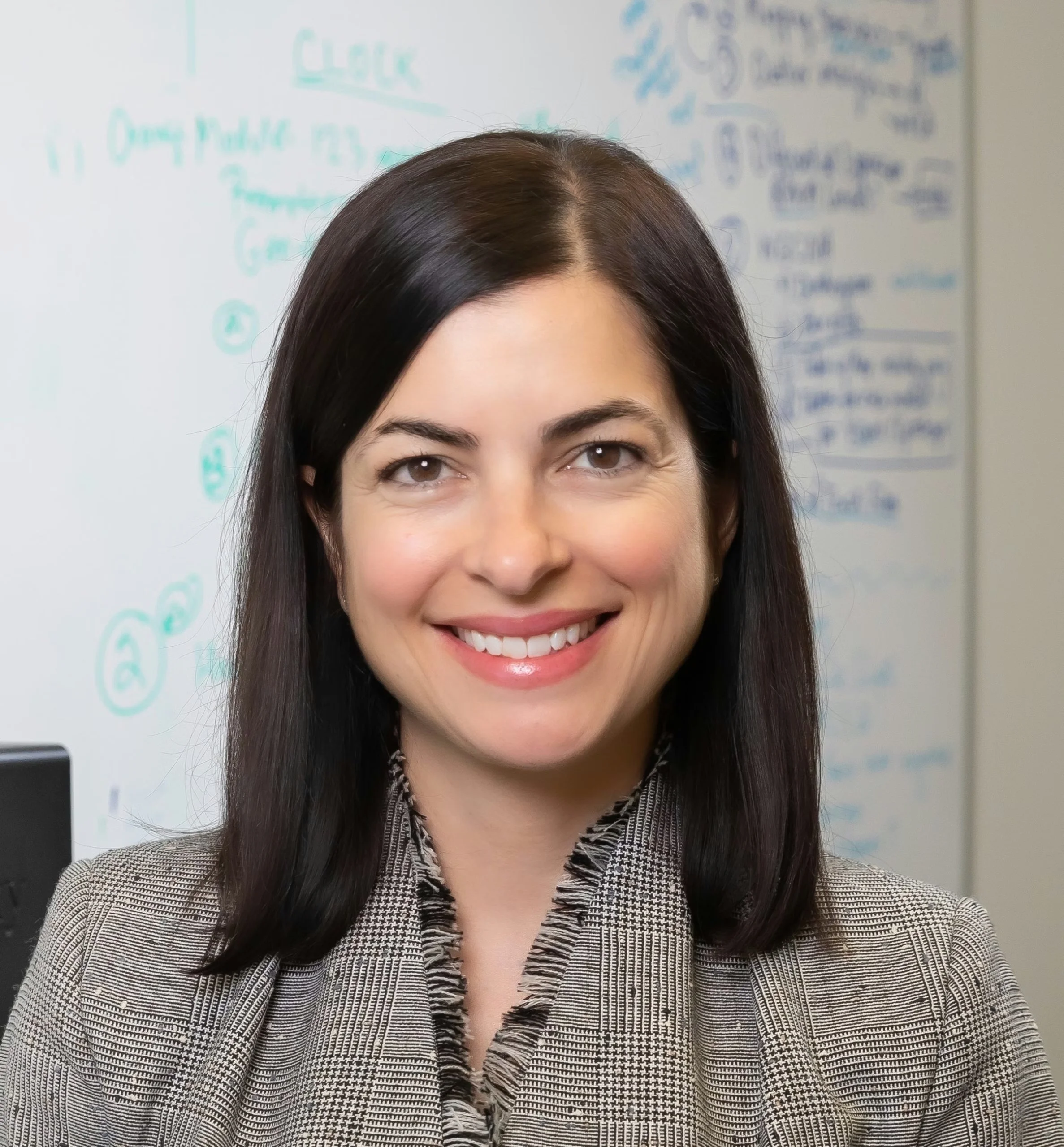
Genevieve Konopka, PhD
Chair and Professor of Neurobiology at UCLA
-
Genevieve Konopka, Ph.D. became Chair of the Department of Neurobiology at the David Geffen School of Medicine at UCLA in July 2025. She was previously Professor and Vice Chair of Neuroscience at UT Southwestern Medical Center, where she held the Jon Heighten Scholar in Autism Research and the Townsend Distinguished Chair in Autism Spectrum Disorders.
Dr. Konopka earned dual B.S. degrees in Brain and Cognitive Sciences and Biology from MIT and completed her Ph.D. in Neurobiology at Harvard. She pursued fellowships in developmental biology with Dr. Stephen Duncan and in neurogenetics with Dr. Daniel Geschwind at UCLA. Her honors include the NIH Pathway to Independence Award, the Basil O’Connor Scholar Award from the March of Dimes, the INSAR Young Investigator Award, recognition as a Kavli Fellow of the National Academy of Sciences, and awards from NARSAD and the James S. McDonnell Foundation.
The Konopka Lab studies the molecular pathways that shaped human brain evolution and how they are disrupted in autism, schizophrenia, and Alzheimer’s disease. Using human neurons, animal models, primate comparative genomics, and measures of neuronal activity, her team identifies human-specific, disease-relevant gene expression patterns. The lab also contributes to the Human Cell Atlas project, helping to map gene expression across all cell types in the body.
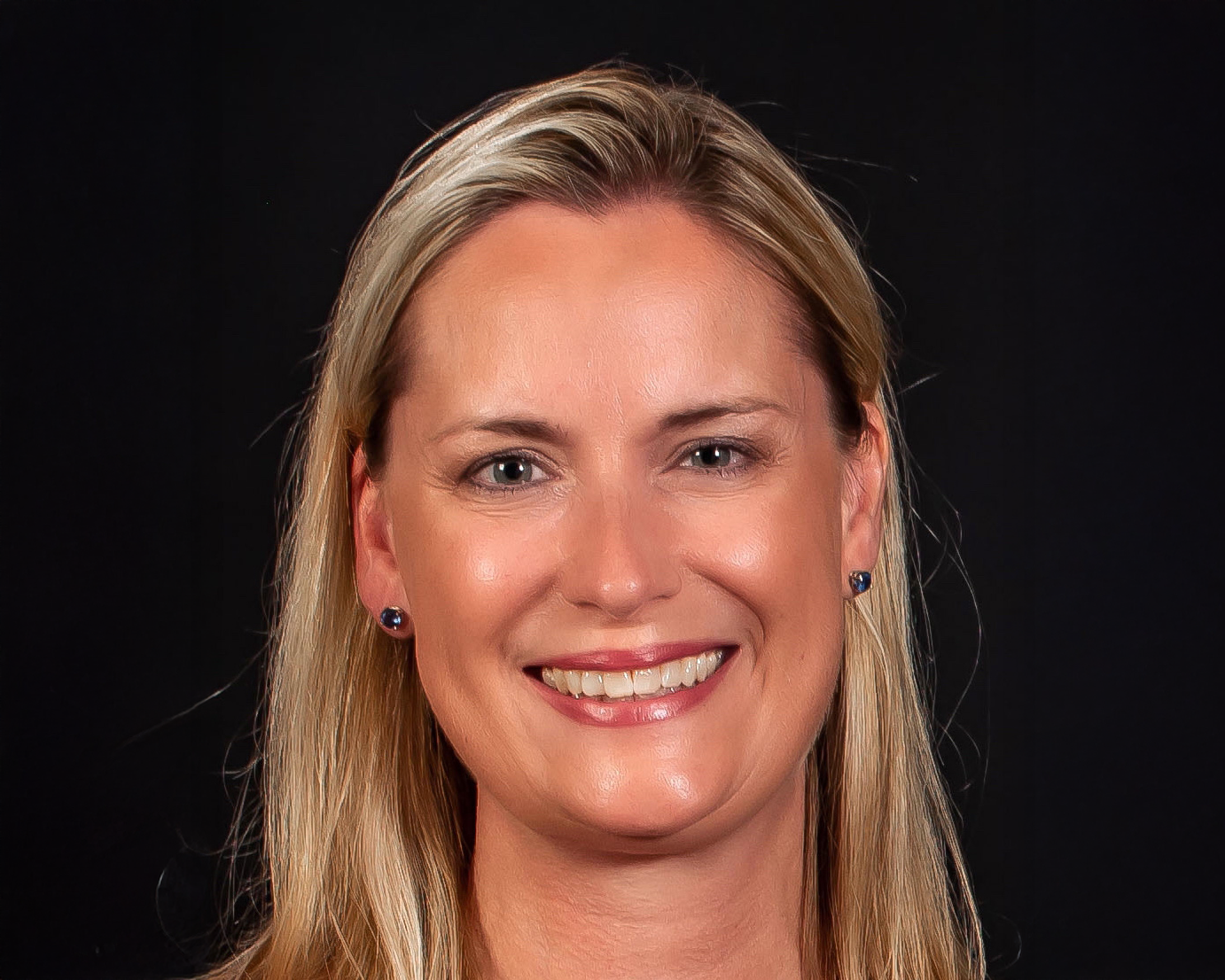
Sharyl Fyffe Maricich, PhD
Vice President of Molecular and Cell Sciences, Research at Ultragenyx Pharmaceutical Inc.
-
Sharyl Fyffe-Maricich received her Ph.D. in Human and Molecular Genetics from Baylor College of Medicine where her work focused on a neurodevelopmental disorder called Rett syndrome. Following her postdoctoral training at Case Western Reserve University in Cleveland, Sharyl joined the University of Pittsburgh School of Medicine faculty as a tenure track Assistant Professor of Pediatric Neurology. Her work was supported by the National Multiple Sclerosis Society and NIH R01 funding from the National Institute of Neurological Disorders and Stroke (NINDS). Sharyl joined Ultragenyx in 2016 where she leads a research team focused on the preclinical development of several rare disease programs, including an AAV9 gene therapy for a rare developmental epileptic encephalopathy called CDKL5 deficiency disorder (CDD).
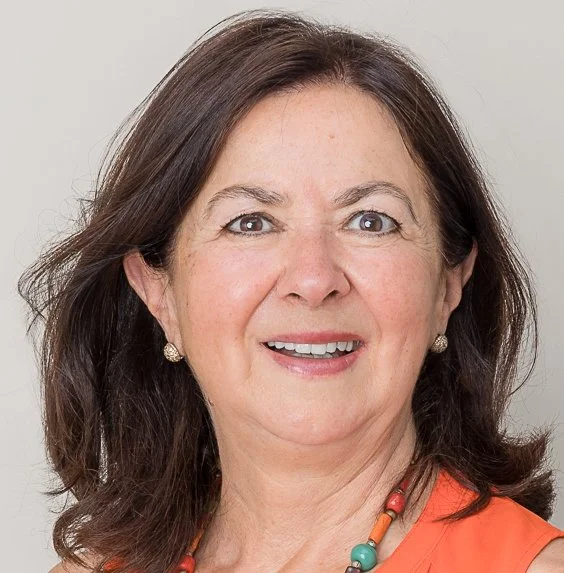
Gudrun Rappold, PhD
em. Professor and Chair, Department Molecular Human Genetics, Medical
Faculty of Heidelberg University; Adviser to National and International
Organizations
-
Gudrun Rappold is a molecular human geneticist. After studying life sciences and chemistry in Heidelberg, Konstanz and Stanford, Gudrun Rappold earned her Ph.D. from the University of Heidelberg in 1984. She conducted her postdoctoral research at the MRC Mammalian Genome Unit in Edinburgh, at the EMBL in Heidelberg, and at the Imperial Cancer Fund in London, focusing on the role of human sex chromosomes and genome biology. With support from a program of the German Research Foundation, she started her own research group at the Institute of Human Genetics in Heidelberg in 1989. In 2002 she was appointed to establish a new department on molecular genetics at the Medical Faculty of Heidelberg University.
Research in Gudrun’s group focused on the genetic causes and molecular mechanisms of developmental disorders, with a particular emphasis on neurodevelopmental disorders and the genetic causes of intellectual disability and autism. Her work has led to the discovery of multiple new disease genes and utilizes mouse genetics as well as induced pluripotent stem cells. She has published over 300 original papers, reviews and book chapters and has received several prestigious awards, including the Gerhard Hess Prize from the German Research Foundation (DFG), the Award for basic research from the State of Baden-Württemberg and the Medal of Honor of the Society of Human Genetics. She is also proud of the numerous prizes received by her team members. Gudrun is an expert adviser to law courts, industry and various national and international organizations.
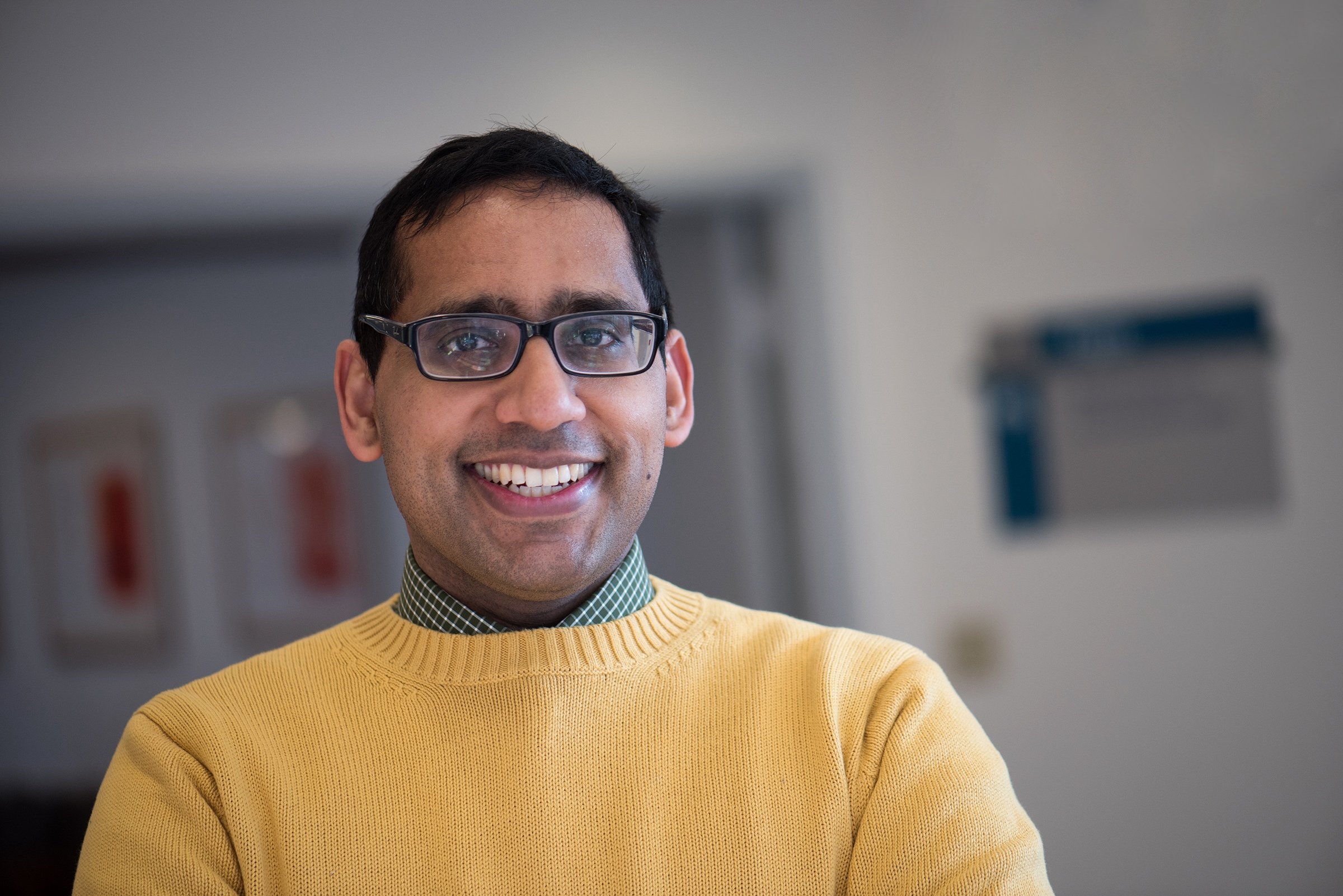
Siddharth Srivastava, MD
Associate Professor of Neurology at Harvard Medical School/Boston Children’s Hospital
-
Siddharth Srivastava is a pediatric neurologist at Boston Children's Hospital specializing in neurogenetics. His research involves studying different genetic causes of neurodevelopmental presentations with the goal of developing targeted treatments. At Boston Children's Hospital, he provides care to children in a variety of neurodevelopmental and neurogenetics clinics. He received his B.A. degree in biochemistry from Columbia University and his M.D. from Johns Hopkins University School of Medicine. He finished a combined residency in pediatrics and neurodevelopmental disabilities at Johns Hopkins Hospital and the Kennedy Krieger Institute. He completed a fellowship in neurogenetics at Boston Children's Hospital.
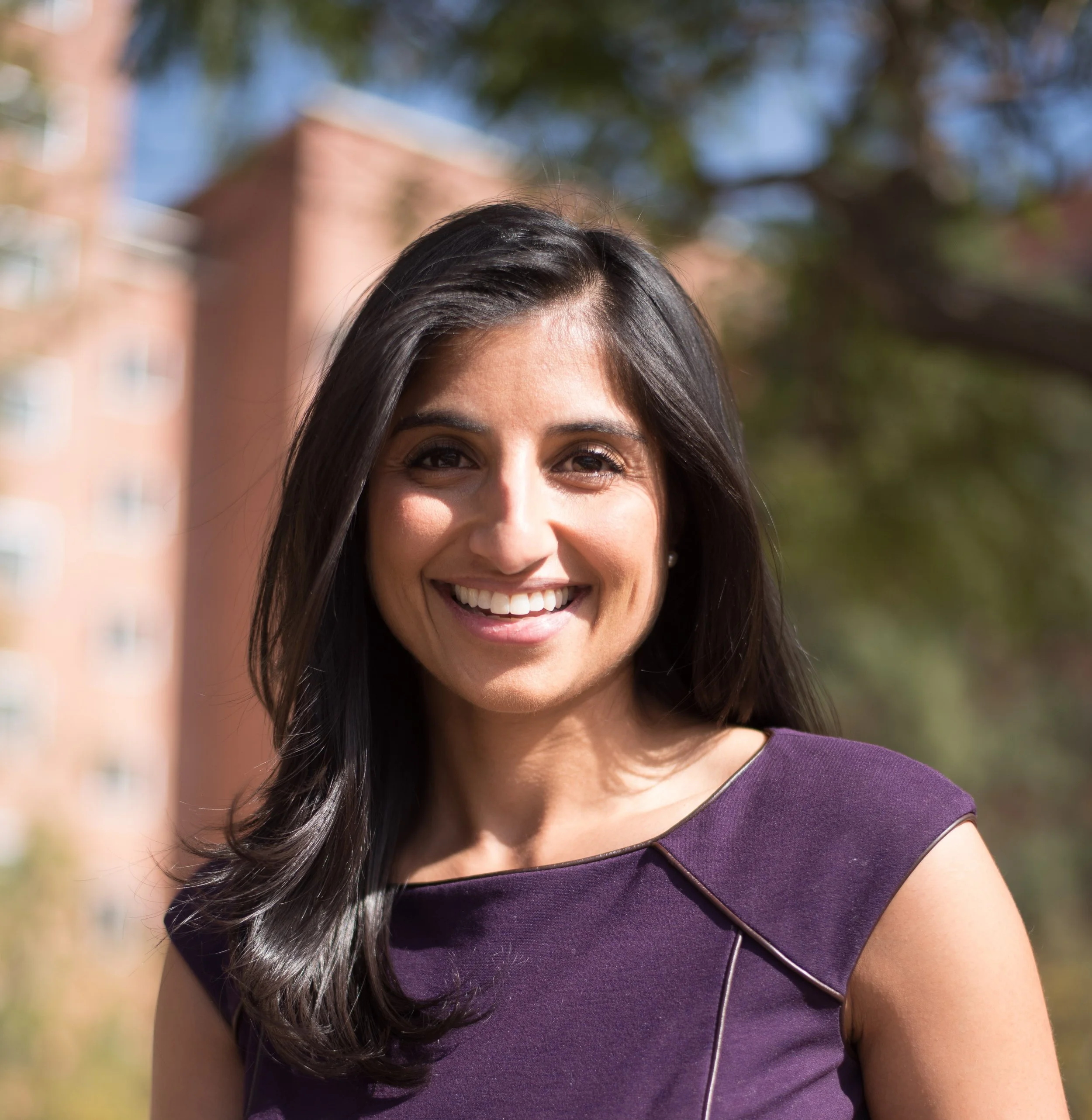
Rujuta Wilson, MD
Assistant Professor of Pediatrics and Psychiatry at UCLA Health
-
Dr. Rujuta B. Wilson is a pediatric neurologist and physician scientist with advanced clinical and research training in autism spectrum disorder (ASD) and related neurodevelopmental and neurogenetic disorders. Her research program develops and utilizes deep quantitative and clinical phenotyping to identify biomarkers and outcome measures that improve early diagnosis and inform natural history studies and clinical trials in ASD and genetic neurodevelopmental disorders. Her work has a strong focus on motor dysfunction, a highly prevalent and impairing aspect of neurodevelopmental disorders that can impact adaptive function, communication, and cognition. She serves as Co-Investigator for the Translational Clinical Core of the UCLA Intellectual and Developmental Disabilities Research Center (IDDRC), leads the Motor Phenotyping Core for the UCLA Center for Autism Research and Treatment, and is the Director of Research for the UCLA University Centers for Excellence in Developmental Disabilities (Tarjan Center).
Dr. Wilson’s NIH and foundation funded research program has developed and validated wearable-sensor methodologies and computer vision based motor phenotyping tools that can be utilized for individuals across the full spectrum of disability, including those with severe intellectual disability, minimal verbal abilities, and complex neurological or medical conditions—populations that have historically been excluded from ASD research. Dr. Wilson is also an invited member of the American Academy of Neurology Brain Health Committee.
Central to her work is a commitment to patient-centered research. She has established and maintained close partnerships with patients, families, and parent advisory groups to inform study design, recruitment, and dissemination. These collaborations ensure that her labs research efforts are grounded in community priorities and address the needs of individuals with ASD and related NDDs.
Scientific consultants
Our consultants are experienced drug development professionals whose hands-on expertise across drug discovery, preclinical, and clinical development moves our programs from early research to treatment.
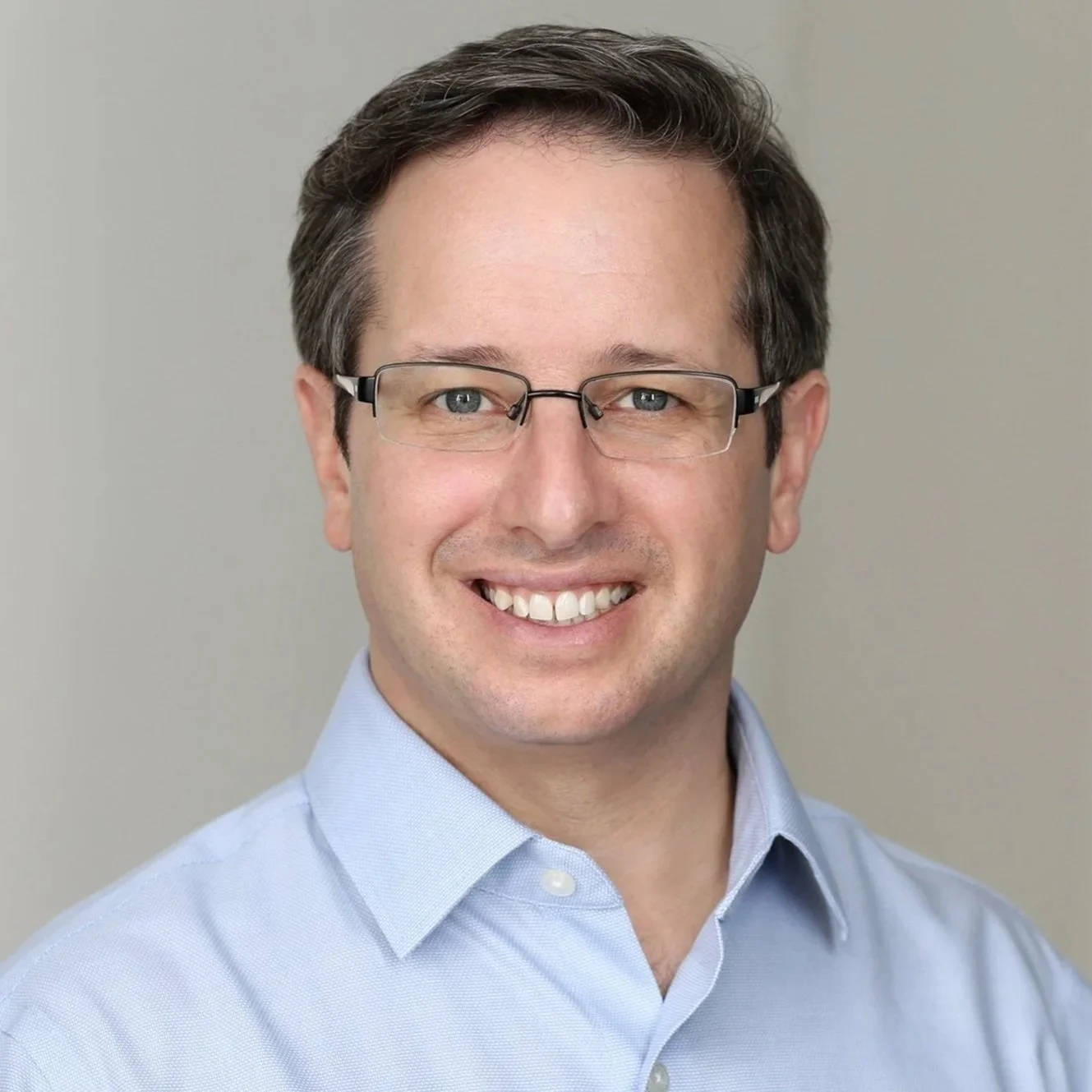
Brett Abrahams, PhD
President and Founder of Heppinn Biosciences
-
Dr. Abrahams is a neuroscientist, geneticist, and drug hunter with experience developing therapeutics and building startups. He is the founder and President of Heppinn Biosciences, a consulting practice launched to support venture investors, biotechs, and foundations find, diligence, and operationalize pipeline opportunities. Prior to launching Heppinn, Dr. Abrahams served as Executive Vice President of Research and Development of Magnolia Neurosciences, a Neurodegeneration-focused start-up built out around a $31M Series A investment from AbbVie Ventures, Arch Ventures, Eli Lilly, Johnson & Johnson Innovation, Pfizer Ventures, and others alongside an additional $20M of non-dilutive grant funding. Dr. Abrahams joined Magnolia from Ovid Therapeutics, leaving as Senior Director and Head of Pre-Clinical Biology. While there, he helped to move multiple autism and epilepsy-related assets into the clinic including Gaboxadol (OV101) for Angelman syndrome, Soticlestat (TAK935) for Dravet syndrome, and OV329 for treatment-resistant epilepsy. His peer-reviewed research, including papers in Cell, New England Journal of Medicine, Nature, PNAS, and Science Translational Medicine, has been cited more than 15,000 times.

Steve Maricich, MD
Chief Medical Officer at BrainXell Therapeutics and Creyon, Head of Clinical Development at Elaaj Bio
-
Steve is an experienced clinical development executive who has served on the executive leadership team of several companies. He is currently acting chief medical officer at BrainXell Therapeutics and Creyon, and he also heads clinical development at Elaaj Bio. Steve’s previous experience includes Neurology Therapeutic Area Head at Ultragenyx, where he oversaw submission of a BLA for a MPS IIIA gene therapy and initiation of a Phase 3 ASO trial for the treatment of Angelman syndrome; CMO at Ashvattha, where he oversaw development of clinical-stage ophthalmology and neurology programs; CMO at Calibr/Scripps Bioventures, a leading nonprofit translational research center focused on preclinical drug discovery and early-stage clinical research; and CMO at Allievex, a rare disease start-up company that he helped spin out of BioMarin Pharmaceuticals.
Over the course of his career, Steve has secured more than $2M in grant funding from the NIH and other privately operated organizations. Steve earned his M.D. and Ph.D. degrees in neuroscience from Case Western Reserve University. He is a board-certified child neurologist with experience as a primary investigator while serving as pediatrics and child neurology faculty at Baylor College of Medicine/Texas Children’s Hospital, Case Western Reserve University/Rainbow Babies and Children’s Hospital, and the University of Pittsburgh/UPMC Children’s Hospital of Pittsburgh.